Landscapes
Design Brief
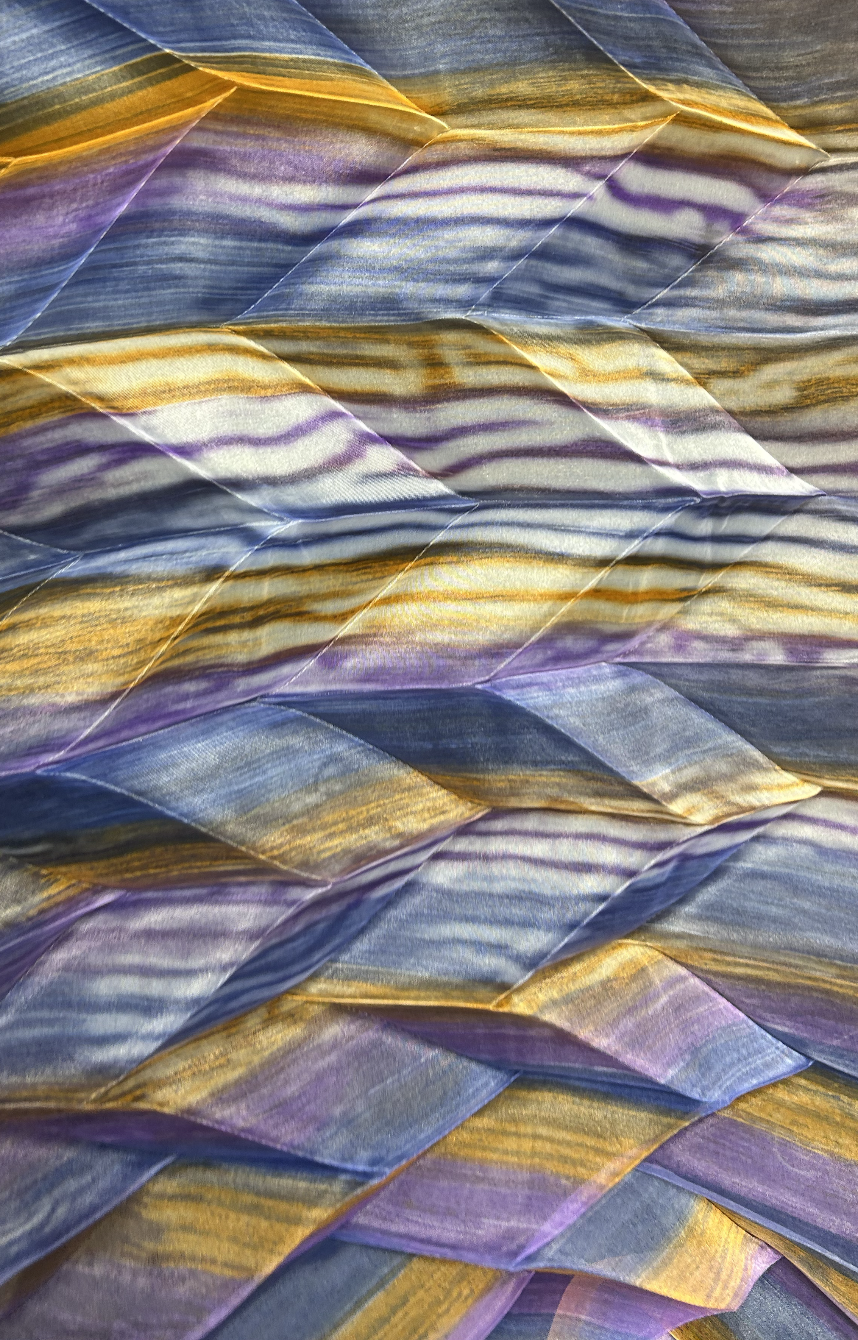
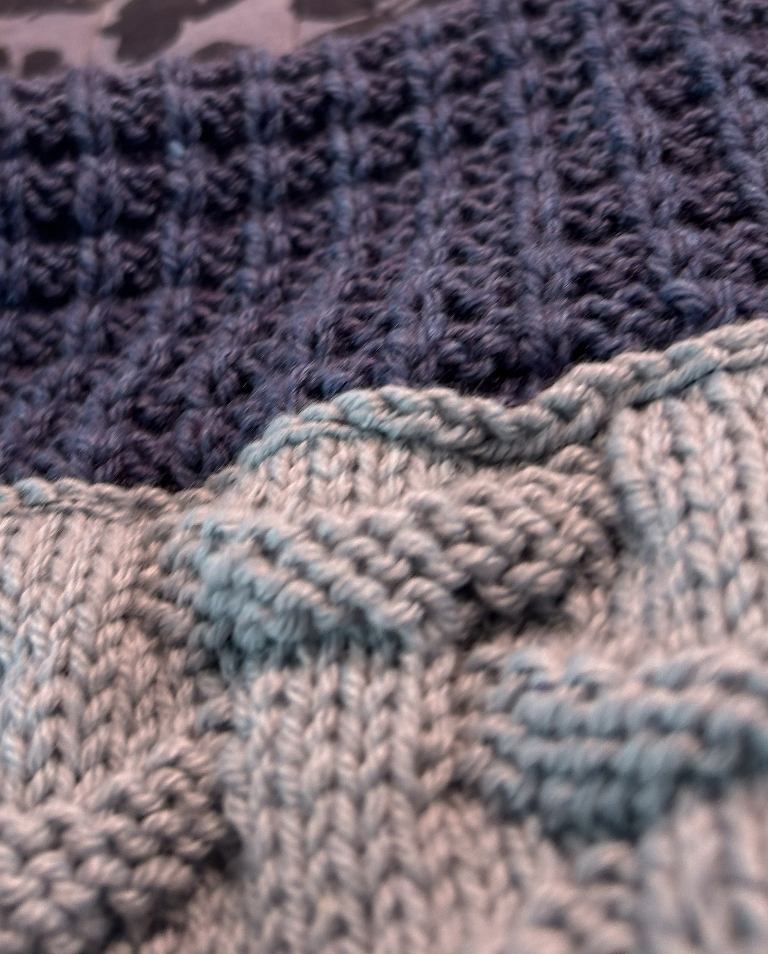
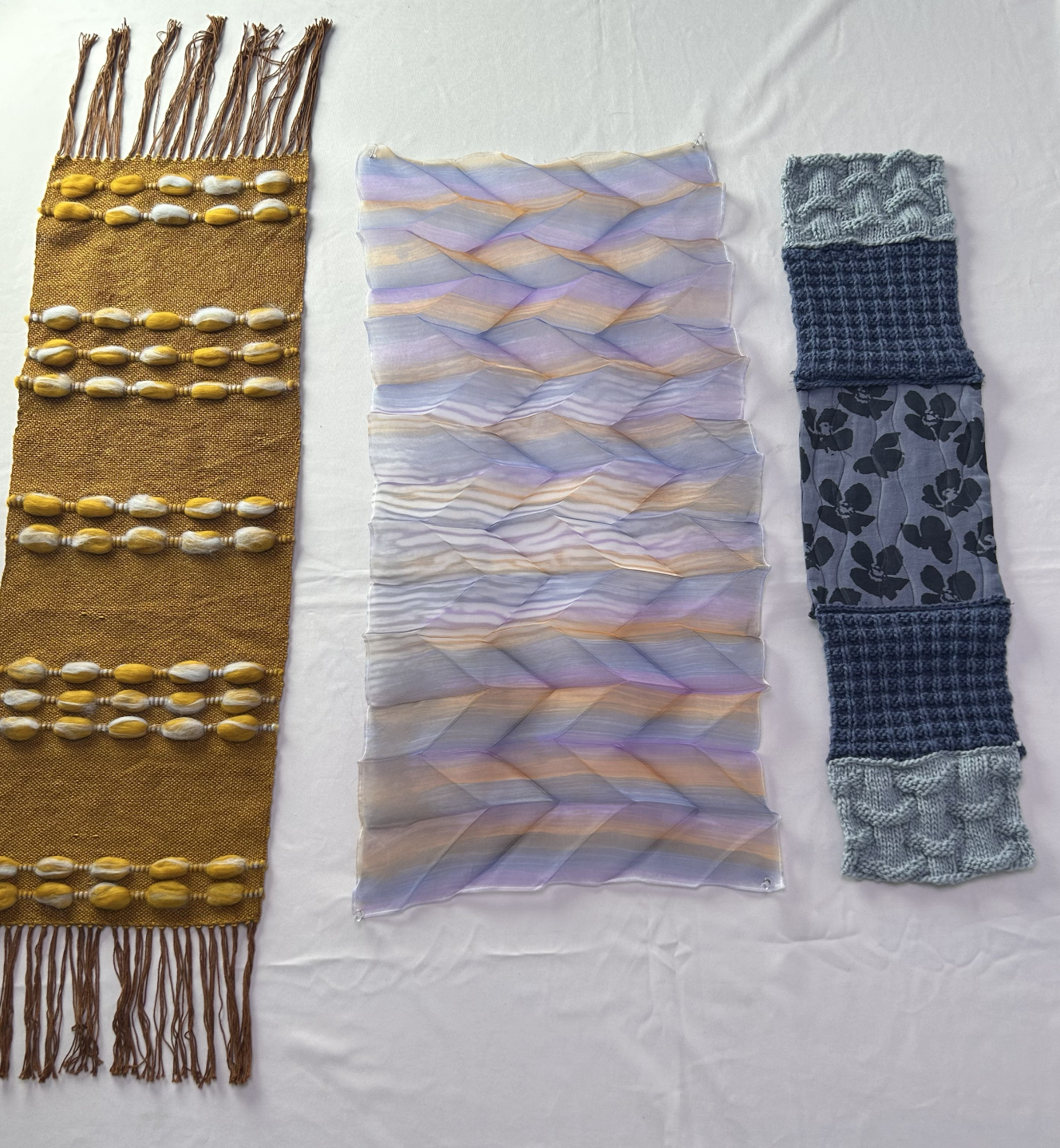
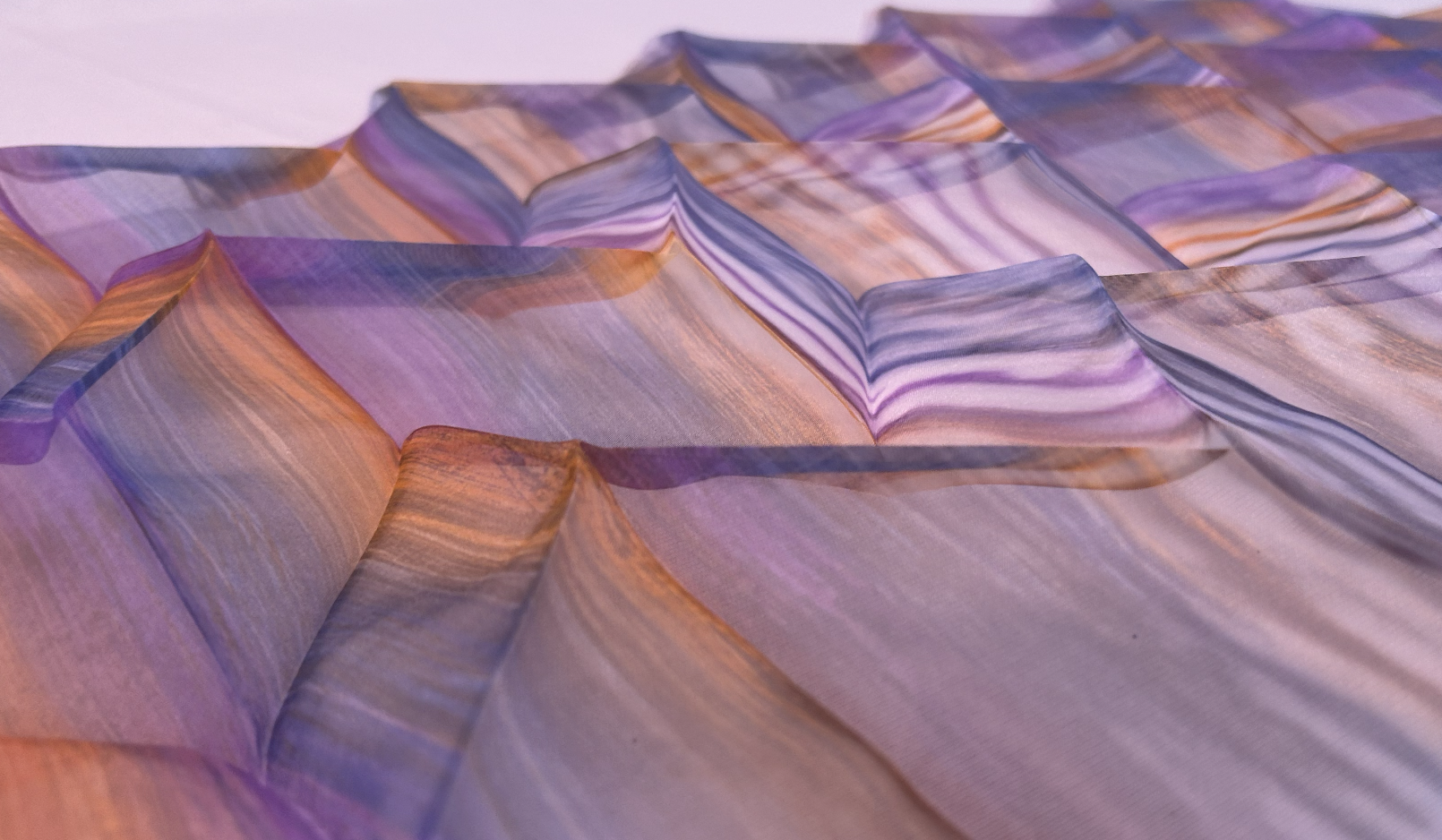
The direction of this project is to explore the theme of texture found throughout the Australian Landscape. In collaboration with the renowned textile designer Akira Isogawa this collection aims to find innovative ways to explore texture through fabric drawing from inspiration of heritage and culture. Through a focus on sustainability and ethical practices within the textile environment the swatches aim to demonstrate ways and techniques to consider slow design practices that are accessible to a wider community. The names of the swatches; Sand Dunes, Mountains and Valleys, Flora and Fauna., reflect my relationship to the Australian landscape as a designer, similarly to how Akira Isogawa takes inspiration from Japanese heritage and traditional textile techniques. Each swatch attempts to address these issues through the acknowledgement and use of sustainable materials that have been previously used or recycled. Texture is the focus of this collaboration aspect which units the swatches within the collection. The first swatch explores the possibilities within weaving and combining different materials and fibres to create unique textures and patterns. The second swatch aims to unite the collection through a unique colourful gradient and uses traditional origami folding techniques and thermoplastic methods to create “mountains and valleys” in the textile. The third swatch was created through repeat pattern techniques printed directly to a piece of recycled textiles. The aim was to utilise and repurpose the discarded fabric to create a new life. The swatch incorporated quilting techniques to mimic the natural organic texture seen through each swatch. Additionally, Various knitting stitch techniques were used to enhance the texture and sensory interaction with the scarf. The waffle knit and basket loop stitch were effective in creating interactive and aesthetically appealing textures. The sarves are made to be shown as an installation within an exhibition. Laying side by side the collection communicates an organic flow which refers to the interrelated nature of the Australian landscape and connects to the dependencies of the ecosystems
-
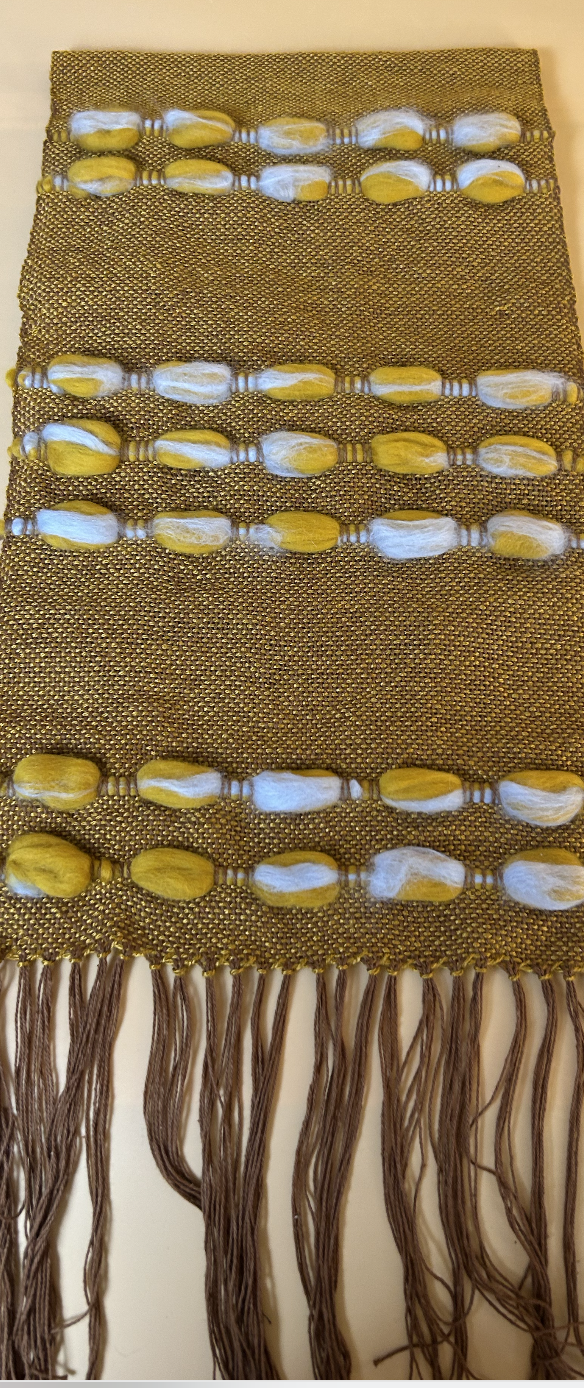
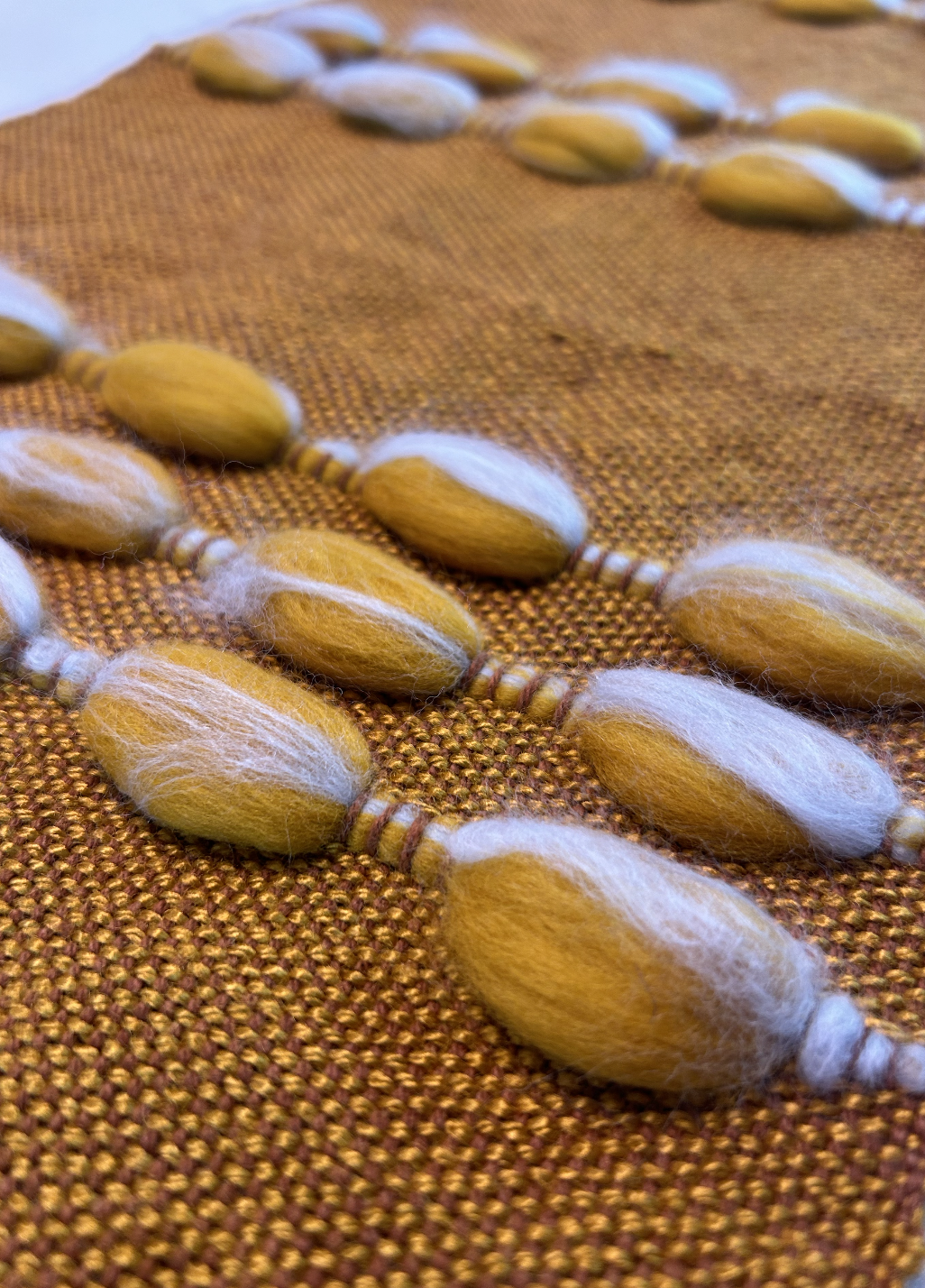
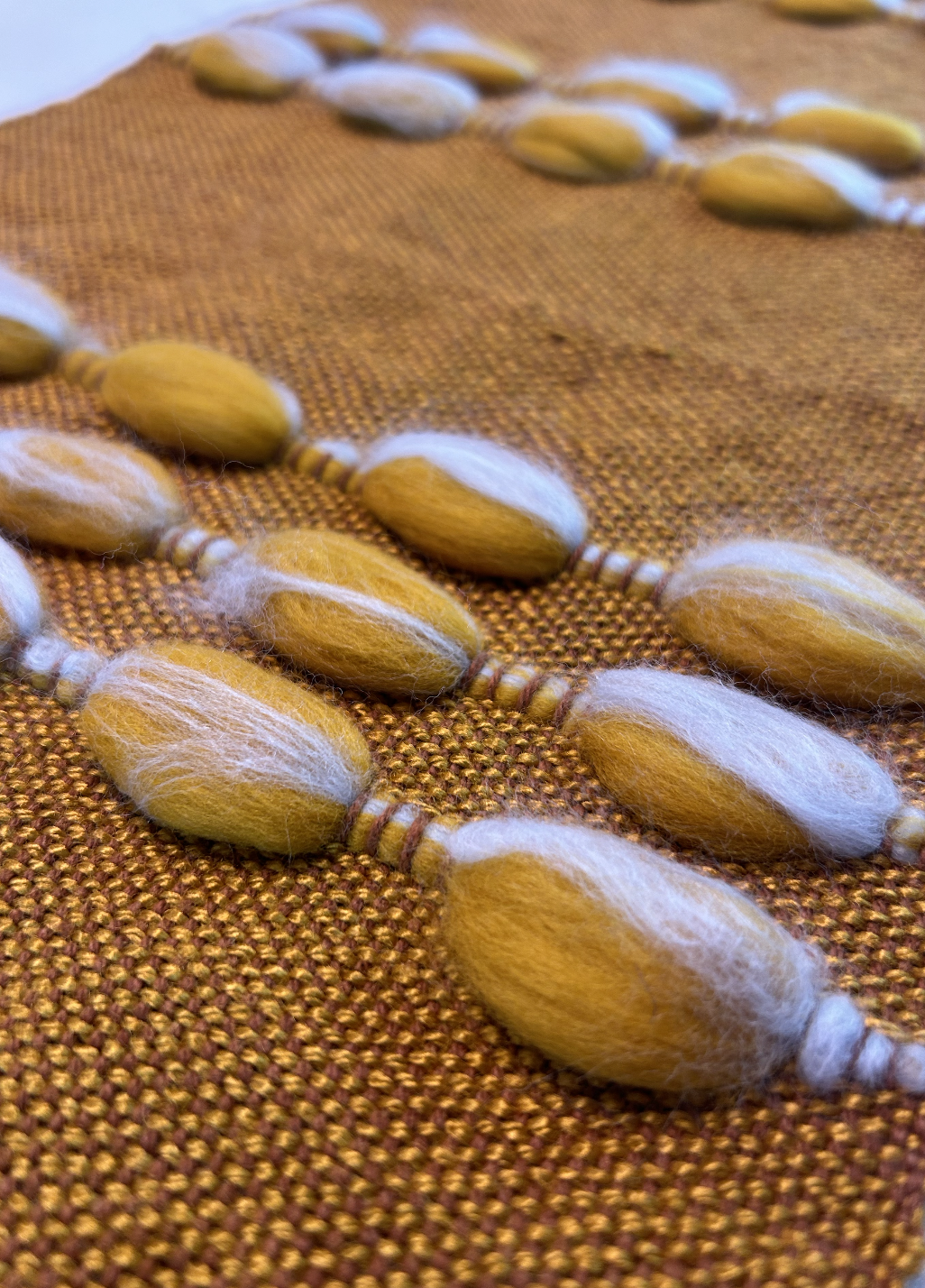
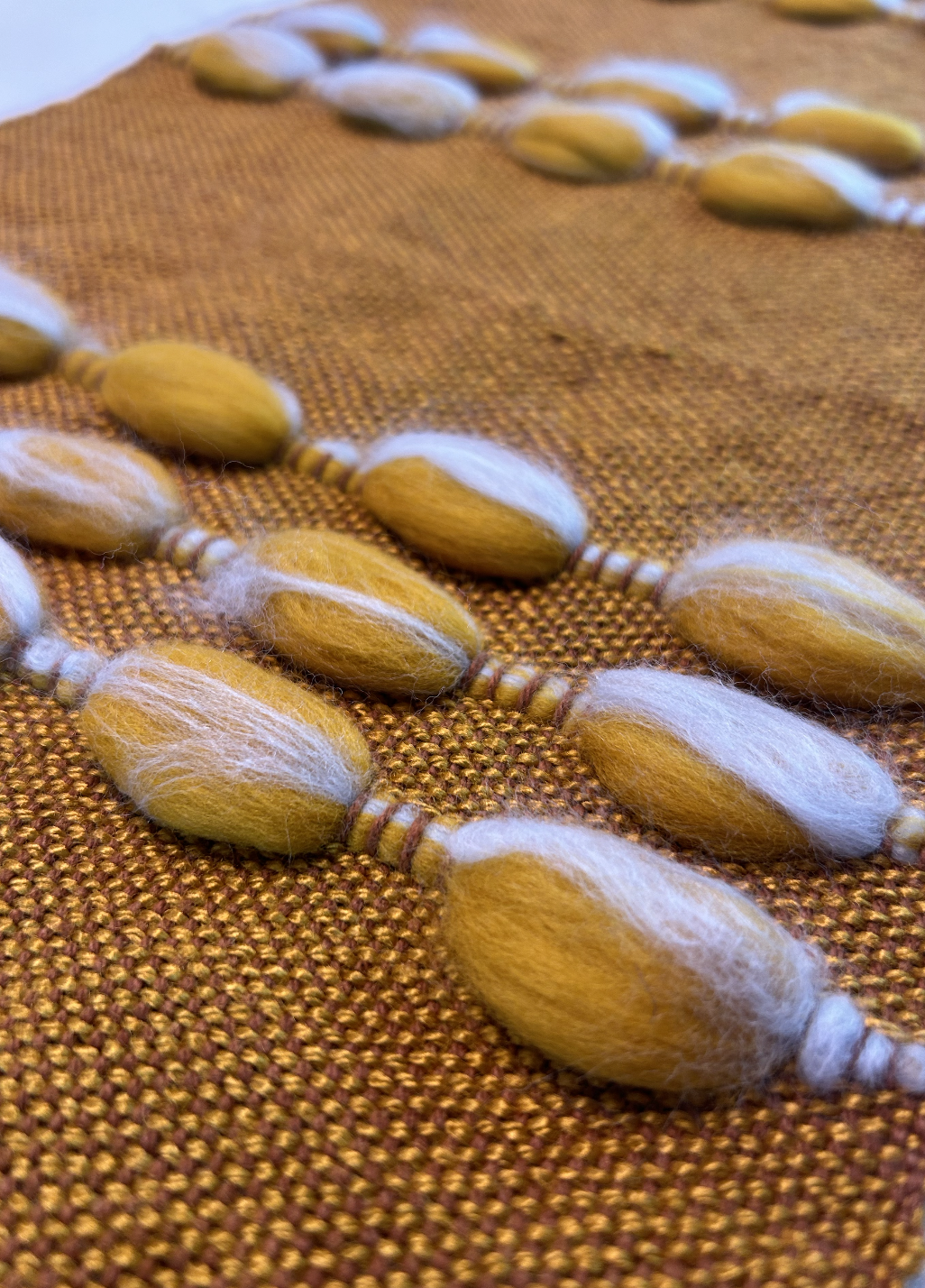
“Sand Dunes” aims to reimagine existing techniques related to weaving on a loom. Playing with various options and techniques to create texture and contrast throughout the design. As a designer I’ve had experience with weaving on looms and have been inspired by the range of possibilities and creative opportunities involved with weaving. With knowledge and experience of adding wool fibres into a weave to create an embellishment of colour or textural contrast, I wanted to expand on this idea and create a swatch which pushed these boundaries. The method to create the bubbly texture in the scarf was achieved by alternating between weaving with thread and wool fibres (which were weaved through the warp individually to create a bubble effect). Not only does this design create a visually appealing garment it also is very functional as it provides warmth to the wearer of the scarf. For this final project the design and layout of this scarf was explored to make the design unique to this range, therefore the alternating 2 to 3 bubble rows were used. The materials used in this design are all-natural linking to the concept of sustainability and being conscious about the materials sourced in the design. However, this process requires a lot of concentration and skill to ensure the fibres are placed correctly through the loom making the craft more complex which could increase the price of the garment. The name ‘Sand Dunes’ related to the Australian coastal landscape, reflects my connection to the land as an Australian designer.
-
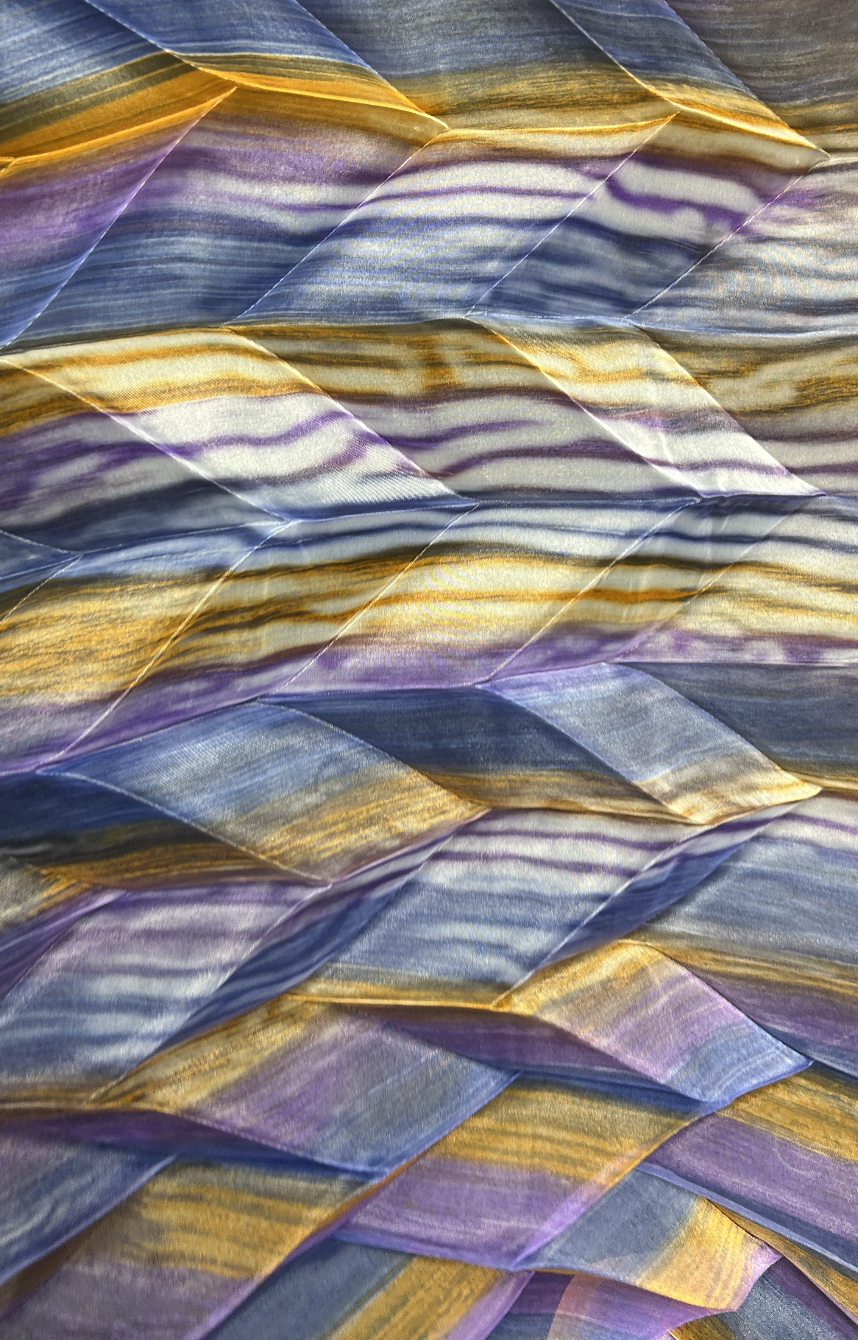
“Mountains and Valleys” explores the opportunities between the relationship of traditional origami folding techniques and thermoplastic design properties. The design of this textured layout was inspired by Akira Isogawa's Japanese heritage and cultural fusion within his work, using traditional origami techniques called mountains and valleys. Originally, the swatch was created on a cotton fabric and the fold lines were made through laser cut etches. However this was unsuccessful in achieving the desired aesthetic for this collaboration. Therefore, experimentation into the opportunities to combine sublimation printing and thermoplastic heat sets were explored and resulted in this outcome. The idea of this design was to avoid the use of synthetic fibres and materials however in order to achieve this aesthetic and function polyester fabric was required. However, to still adhere to these goals and sustainable design practices the scarf uses recycled polyester to extend the lifespan of the fabric. Additionally, the use of sublimation printing was very successful in uniting the collection through colour. The ability to have freedom within the design space to hand paint the desired pattern was really effective for the desired look. This technique was very cost effective to produce, which would assist in making it more accessible to consumers making the production and design more ethically conscious. Furthermore, the name ‘Mountains and Valleys” correlates to the Australian landscape, reflecting my connection to the land as an Australian designer.
-
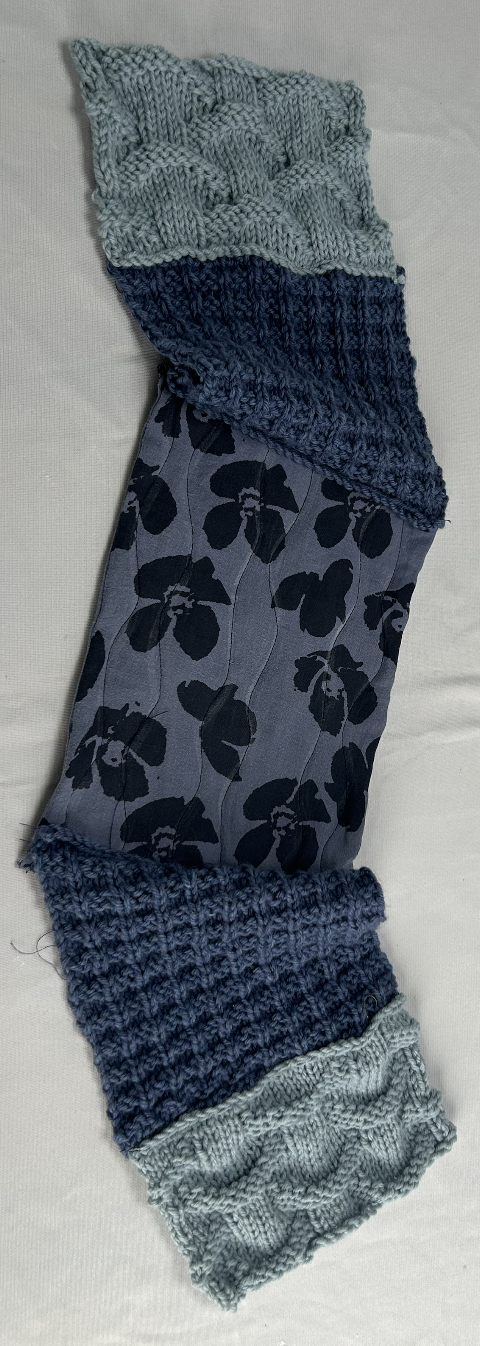
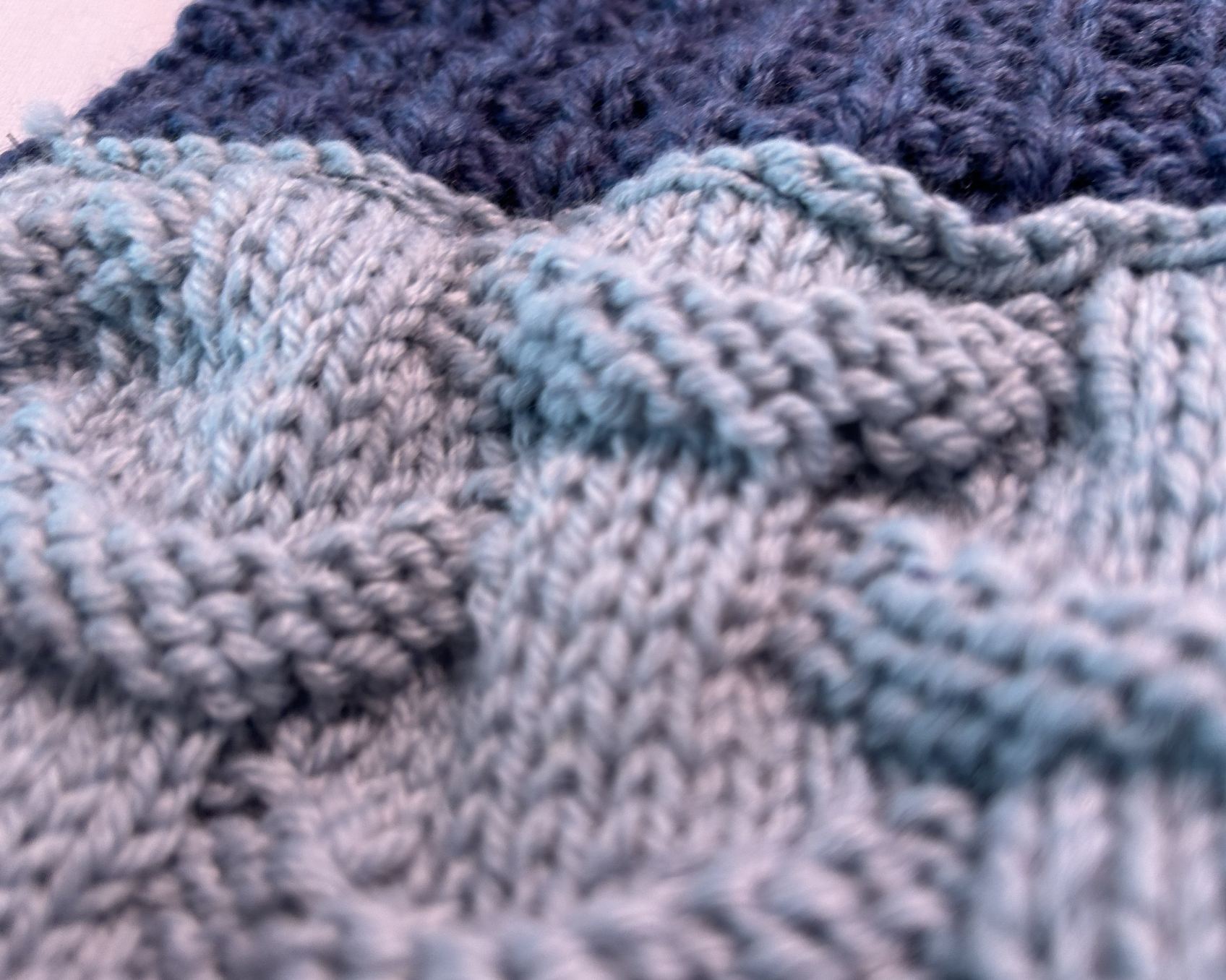
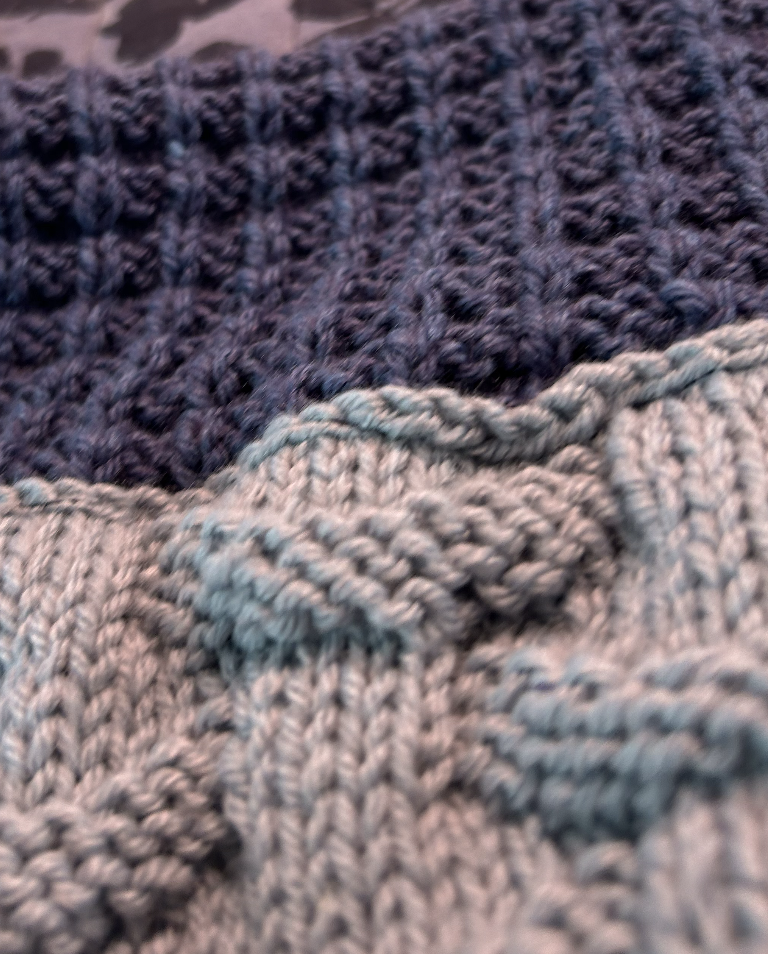
“Flora and Fauna” aims to reflect the natural shapes and textures present in the natural Australian landscapes. This swatch explores the process of digital printing and repeat patterns, through this project I have enhanced my skills as a designer to use adobe software in assisting the creation of this design. The combination of digital print and a quilting design, mimicking the organic flow from design 1 creates unison within the collection. Additionally, the incorporation and exploration of knitting techniques enhances the variety of texture on the scarf. This was achieved through the waffle stitch and the basket loop stitch. In the creation of the swatch I had to consider the types of fabric I would use. As there is a theme of sustainability throughout all my swatches, I decided to use a natural linen fabric to print onto. The linen was recycled from a a donated skirt. Reusing this fabric gives the material an extended lifespan slowing down the disposal of textile. The knit used wool yarn which is a natural fibre which can biodegrade and causes less harm to the environment. The repeat pattern of the floral design ties in well with the embroidery as it connects the design and creates some texture to the piece, linking to the previous tactile designs. This interaction was an important consideration during the process of making this swatch.